The AMR26 Crisis: How Aston Martin’s Hyped 2026 Dream Became a Physical Nightmare for Its Drivers

When the Formula 1 community looks toward the dawn of a new regulatory era, expectations are always monumental. For the 2026 season, no team carried more hype, more investment, and more sheer anticipation than Aston Martin. They had done everything right on paper: securing a full works partnership with Honda, investing in a state-of-the-art factory, and pulling off the ultimate coup by signing Adrian Newey, arguably the greatest technical mind in the history of motorsport. The AMR26 was supposed to be the machine that disrupted the established hierarchy, directly challenging giants like Red Bull Racing and Scuderia Ferrari. Yet, as the paddock sets up for the season-opening Australian Grand Prix, Aston Martin has just dropped a shocking admission that has stunned the motorsport world. Their car is not just struggling for pace; it has become a profound physical danger to its own drivers.
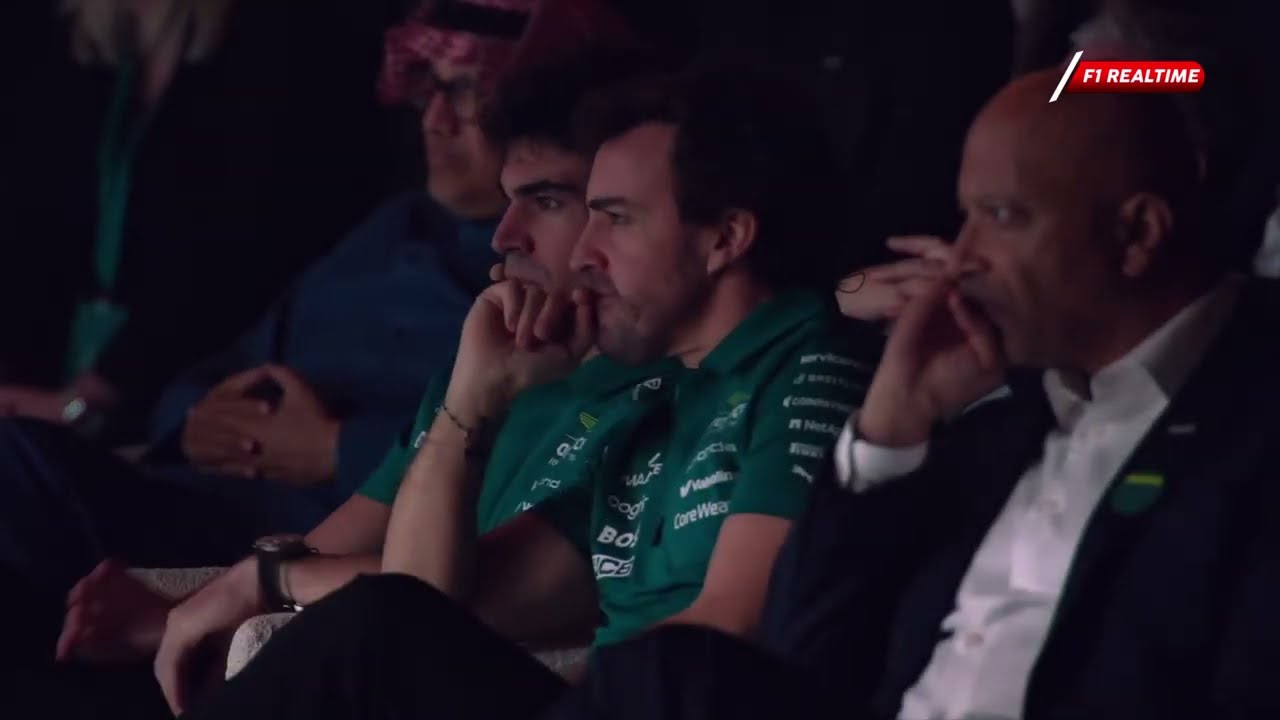
The terrifying reality of the AMR26 is not merely an aerodynamic miscalculation or a simple lack of horsepower. According to Aston Martin’s new team boss, Adrian Newey, the internal vibrations inside the cockpit are so incredibly violent that Fernando Alonso and Lance Stroll risk permanent nerve damage after just a few laps. Alonso, a hardened veteran of the sport known for his immense physical endurance, has reported that his hands go completely numb after barely twenty-five minutes of driving. Stroll’s feedback is equally alarming, with the Canadian driver stating he can barely last fifteen laps before the physical toll becomes overwhelming. In modern Formula 1, drivers are subjected to immense G-forces and physical strain, but enduring a chassis that shakes so violently it threatens bodily harm is an unprecedented crisis. The looming question that no one in the paddock wants to answer directly is how one of the most meticulously planned projects in racing history suddenly mutated into a hazardous environment for the athletes strapped inside.
To comprehend the sheer magnitude of Aston Martin’s current dilemma, one must look beyond the alarming headlines and dive deep into the intricate physics of the AMR26 and the stringent 2026 regulations. In the high-stakes world of Formula 1 engineering, vibrations are rarely random occurrences. They are almost always the disastrous result of a complex, disharmonious interaction between the aerodynamic platform, the power unit architecture, and the natural resonance frequencies of the carbon fiber chassis. Whispers from engineers deep inside the paddock suggest that Aston Martin’s monumental problem originates at the very heart of the car: the new Honda power unit layout. The 2026 engine formula introduced a radically different approach to generating speed. The traditional internal combustion engine now produces significantly less overall power, forcing the electrical component of the hybrid system to contribute a vastly larger share of the total output. Teams must rely heavily on rapid battery discharge and massive electrical energy deployment to remain competitive on the long straights.
However, this heavy reliance on electrical power introduces a perilous technical catch. Because the combustion engine produces less baseline torque, the hybrid system must aggressively overcompensate. When the powerful electric motor is forced to provide sudden, massive bursts of torque through the drivetrain, it can inadvertently introduce severe torsional vibrations that ripple through the crankshaft and the gearbox assembly. These aggressive vibrations travel mercilessly through the engine mounts, into the rigid carbon fiber survival cell, and ultimately straight into the driver’s steering wheel and pedals. This phenomenon perfectly aligns with what Adrian Newey detailed during a highly unusually transparent press conference. The violent shaking the drivers are experiencing is not just normal mechanical noise; it is a brutal frequency oscillation that happens to resonate perfectly with the natural vibration frequencies of the AMR26 chassis itself. When the timing of the engine’s torsional vibration perfectly aligns with the chassis’s natural rhythm, the oscillation is amplified to an extreme degree.
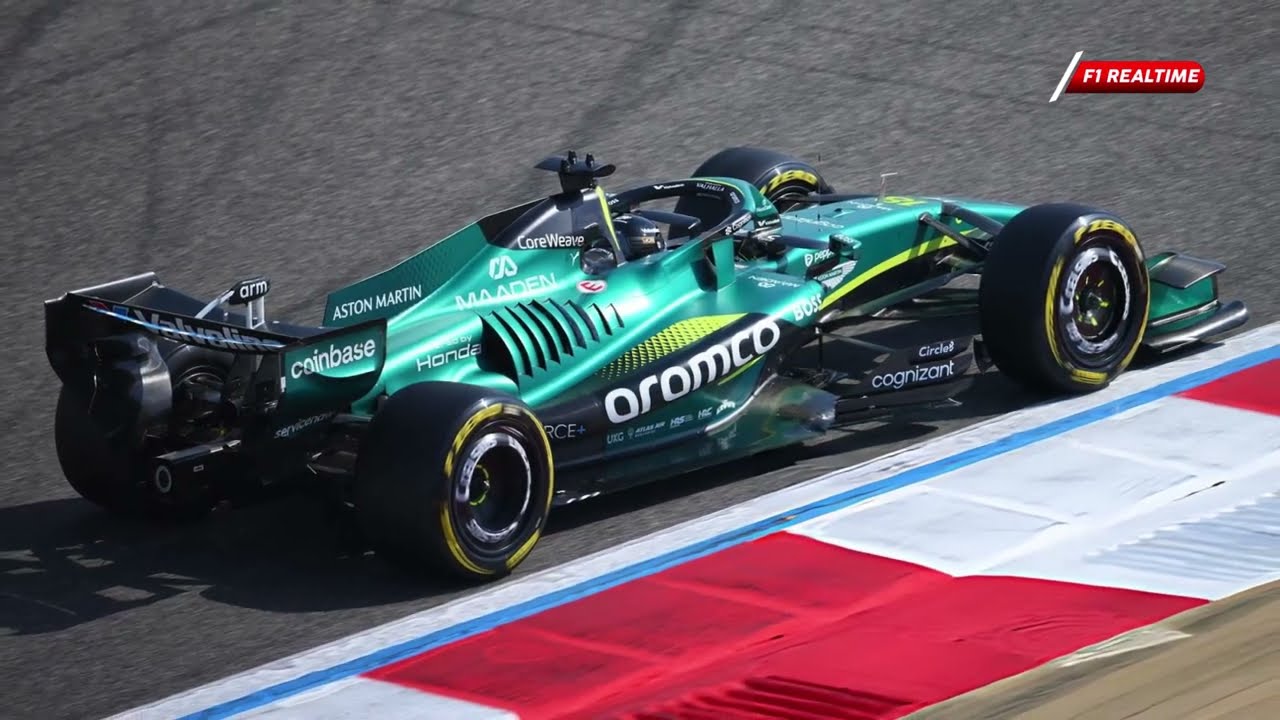
This extreme amplification is not just destroying the drivers’ physical comfort; it is actively tearing the car apart from the inside out. One of the most glaring warning signs during the pre-season testing in Bahrain was Aston Martin’s disastrous reliability record. The AMR26 completed the fewest laps of any car on the grid, arrived late to the track, and repeatedly broke down. We now know that the core reason for these breakdowns was the complete destruction of the battery system. Lithium-ion battery packs, which are the lifeblood of the 2026 hybrid systems, are incredibly sensitive to sustained vibration loads. When the delicate internal cells experience repeated, violent oscillations at the wrong frequency, their internal connections degrade and shatter rapidly. This catastrophic failure explains why the Honda engine lasted only a handful of laps before shutting down completely. The vibrations are literally shaking the battery to death.
Because of this inherent structural flaw, Aston Martin has been forced into an incredibly compromising position. Newey admitted a massive red flag: Honda has not yet been able to run their new power unit at maximum RPM. The team does not even know the true performance ceiling of their own car because they are terrified of destroying another battery pack. Instead, they are stuck running highly conservative, detuned power maps just to ensure the engine survives a practice session. This puts them at a staggering disadvantage compared to their main rivals. Look across the pit lane at Red Bull Racing. Red Bull’s new power unit program, developed in conjunction with Ford, has reportedly already completed full-power dyno simulations that far exceed a standard race distance. Red Bull engineers fully understand the thermal limits and vibration envelopes of their engine architecture. Aston Martin, on the other hand, is operating in the dark. In the crucial early months of a new regulation cycle, data telemetry and track correlation are everything. Because they cannot run the car properly, Aston Martin is entering the season with a massive data deficit that could haunt them all year. Furthermore, with strict limits on power unit components, early engine replacements due to vibration damage will inevitably lead to crippling grid penalties later in the championship.
Yet, amid this storm of mechanical failures and physical danger, there is a fascinating, almost paradoxical layer to the AMR26 narrative. Adrian Newey’s arrival at Aston Martin came late in the development cycle. By the time he transitioned from Red Bull Racing and finally stepped into the wind tunnel at Silverstone, the AMR26 was already a partially completed concept. He did not have the luxury of designing the fundamental architecture from a blank sheet of paper. This timeline raises a deeply provocative possibility: what if this disastrous resonance flaw was permanently baked into the chassis before Newey even walked through the door? This would certainly explain his candidness with the media. He openly conceded that the team is likely three-quarters of a second to a full second slower than the front-runners. But in the same breath, Newey dropped a tantalizing hint that changes the entire complexion of the crisis. He stated unequivocally that the car possesses tremendous development potential.

This single statement reveals a crucial truth about the AMR26. It suggests that the aerodynamic platform itself—the incredibly complex floor, the underbody airflow structures, and the diffuser efficiency—might actually be brilliant. If the core aerodynamic concept is fundamentally sound, then the car is generating immense downforce. The problem is simply that they cannot utilize it because the engine is shaking itself to pieces. If Aston Martin and Honda can somehow isolate and eliminate the source of the vibration, they could instantly unlock a massive, hidden reservoir of performance. This explains Fernando Alonso’s surprisingly calm demeanor. While his hands are going numb, his mind remains sharp. He has publicly stated that he has one hundred percent faith in Honda. Given his infamous, highly public criticisms of Honda’s dreadful engines back in 2015, this patience seems totally out of character. But Alonso remembers history. He watched Honda transform from a laughingstock into the powerhouse that delivered Max Verstappen a world championship. Alonso knows better than anyone that Honda’s development curve can be painfully slow at the start, but utterly explosive once the engineers pinpoint a solution.
As the sun sets over Albert Park and the reality of the Australian Grand Prix looms, Aston Martin finds itself caught in a brutal race against time. The team faces a horrifyingly simple reality: they may have to order their drivers to deliberately limit their pace and manage their race distance just to protect their physical well-being. It is a staggering scenario for one of the most ambitious and well-funded projects on the modern Formula 1 grid. If the engineers cannot solve this resonance crisis swiftly, the domino effect of lost track time, broken parts, and grid penalties will reshape the entire balance of power for the 2026 season. While Aston Martin fights a desperate battle against its own internal vibrations, their rivals are already fighting for a world championship. The ultimate question remains: is the AMR26 a misunderstood masterpiece waiting for a fix, or the first monumental failure of the new era? The answer will define Adrian Newey’s legacy and Aston Martin’s future.








