The 2026 Formula 1 Dilemma: Thrilling Racing, Broken Qualifying, and the Massive Gamble That Divided the Grid
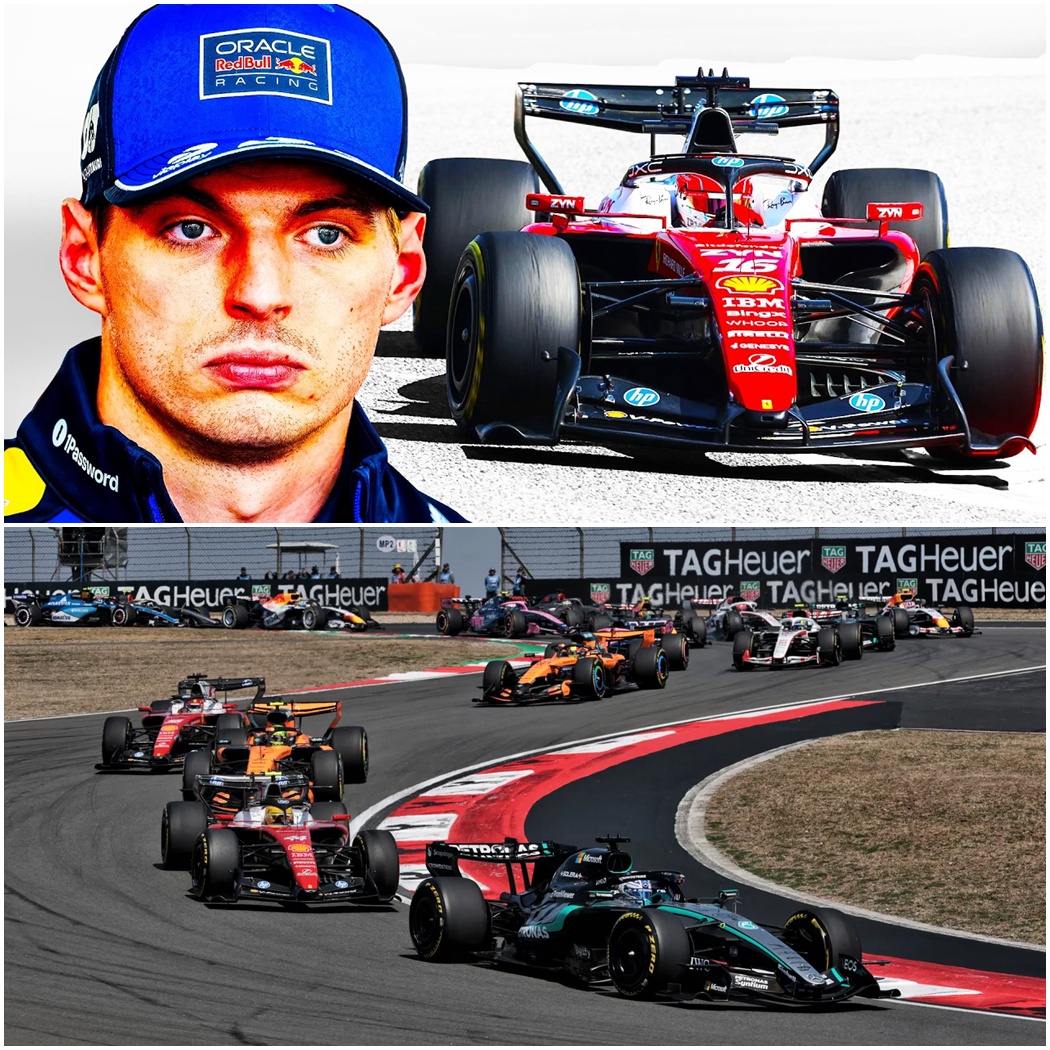
Formula 1 is currently experiencing one of the most polarizing and fiercely debated identity crises in the history of international motorsport. We are two races deep into the highly anticipated 2026 regulations, and the entire global racing community is standing at a massive crossroads. If you have felt incredibly conflicted about this brand new era of Formula 1, you are absolutely not alone. On one hand, the sheer entertainment value has been entirely undeniable. The on-track battles, the stunning overtakes, and the off-track political drama have provided a sensational spectacle. These freshly designed machines have introduced a wild, frenetic style of racing that the sport has simply never witnessed before. Yet, beneath the thrilling surface of race day excitement, a dark cloud of technical frustration is rapidly gathering. While the racing is undoubtedly entertaining, glaring fundamental flaws in the new rulebook have forced fans, engineers, and even world champion drivers to seriously question whether Formula 1 has pushed its technological boundaries far past the breaking point.
To truly understand the complicated mess that Formula 1 currently finds itself in, we have to look backward and remember exactly why these drastic regulations were implemented in the first place. During the dawn of the 2020s, the long-term future of Formula 1 was actually looking quite precarious. Honda had made the sudden, shocking decision to pull their operations out of the sport, and severe doubts were circulating regarding exactly how committed Renault was to maintaining a long-term presence on the grid. As the sport transitioned into the ground effect era, panic began to quietly set in among the top executives. When the governing body sat down to finalize the 2026 engine regulations, they were remarkably transparent about their ultimate survival goals. They established four absolute pillars for the future: maintaining the on-track spectacle, ensuring environmental sustainability, guaranteeing financial sustainability, and most crucially, attracting brand new power unit manufacturers to the grid.

That final pillar was the absolute key to everything. Imagine a terrifying alternate universe where Formula 1 stubbornly decided to keep the engine regulations exactly the same heading into 2026. Because there was no fresh technological incentive, Honda never returns. Ford refuses to partner with Red Bull Racing. Audi declines to join the grid with their own bespoke power unit, and Cadillac is completely rejected as the eleventh team because they have no reason to build their own in-house engine for 2029. In that highly realistic alternate timeline, the Alpine team still drops Renault, the Red Bull and Porsche alliance still tragically collapses, and the entire sport of Formula 1 is suddenly left entirely at the mercy of just two power unit manufacturers: Mercedes and Ferrari.
Having only two engine suppliers would have been an unmitigated disaster for the integrity of the sport. The sheer amount of political leverage, voting power, and grid-wide influence that Mercedes and Ferrari would hold would be fundamentally dangerous. Every single customer team would essentially be forced to capitulate to the specific desires of these two massive automotive conglomerates, organizations that ultimately care far more about their own global market share than the competitive health of Formula 1. Fearing this exact duopoly, the FIA became desperate to bait new manufacturers. Looking at the global automotive trends of the early 2020s, the entire industry narrative was relentlessly focused on total electrification. Therefore, to lure these massive brands into the paddock, Formula 1 mandated a radical 50/50 power split, placing a heavier emphasis than ever before on the electrical components of the hybrid engine.
The strategy worked flawlessly. It successfully secured the long-term involvement of massive global brands and fundamentally saved the grid from a duopoly. However, Formula 1 fell victim to terrible timing. In the years since those engine rules were locked in, and after teams had already sunk hundreds of millions of dollars into relentless research and development, the real-world consumer sentiment toward fully electric vehicles has dramatically cooled. Major automotive manufacturers, including the ones who specifically joined F1 because of the electric push, are currently backtracking on their EV lineups due to plummeting global demand. When Ford proudly announced their 2023 entry, they specifically cited the heavy electrification of the 2026 F1 rules as their primary motivation. Three years later, even Ford is scaling back their domestic EV production. This leaves Formula 1 in an incredibly awkward position: they secured the healthy grid they desperately needed, but they are now permanently locked into a highly controversial set of engine regulations that no longer perfectly align with the current automotive zeitgeist.
This technological compromise has created a fascinating split in the actual performance of the cars. It is absolutely vital to separate the aerodynamic chassis rules from the power unit rules, because while the engines are heavily debated, the aero department has produced an absolute masterpiece. Compared to the previous generation of ground effect cars—which were massive, heavy, cumbersome, and often looked like sluggish boats navigating slow-speed corners—the 2026 cars are a breathtaking return to form. They are physically smaller, significantly lighter, and produce far less aerodynamic downforce. They finally look and behave like pure, unadulterated race cars. They are aggressive, incredibly twitchy, and visually challenging to drive. Crucially, they produce vastly less “dirty air,” which has led to a monumental improvement in how closely the cars can stalk each other through complex cornering sequences.
However, the catastrophic downside to these new regulations rears its ugly head during qualifying. While the cars are brilliant in a pack, watching them on a solo, flat-out qualifying lap has become downright depressing for motorsport purists. Because the internal combustion engine is heavily restricted and heavily reliant on electrical deployment, the cars suffer from a brutal phenomenon known as “super clipping.” Halfway down the longest straights on the calendar, the electric battery completely drains, resulting in a massive, sudden loss of top speed. Instead of pushing absolutely flat out and dancing on the ragged edge of grip, drivers are literally forced to harvest electrical energy by lifting off the throttle heading into high-speed corners. This completely betrays the fundamental spirit of Formula 1 qualifying, where the driver and the machine are supposed to be operating at absolute maximum capacity without compromise.
Despite these incredibly glaring issues, a highly vocal contingent of fans and pundits have begun to dramatically overexaggerate the situation, falsely claiming that these new cars are entirely artificial and require absolutely zero driver skill to operate. This assumption is deeply ignorant and entirely factually incorrect. We have not seen elite drivers make this many unforced errors in years. In the opening rounds alone, we witnessed highly rated rookies like Isack Hadjar lose the car entirely on his own during the first lap. We saw the brilliantly talented Charles Leclerc heavily lock up his brakes and surrender a position to Lewis Hamilton. Even the heavily hyped Kimi Antonelli, while running entirely unopposed in clean air, suffered a massive lock-up and had to desperately refocus to keep his competitors at bay. These machines are incredibly difficult to drive; they simply demand a completely different set of skills than the previous era.

The challenge has shifted from pure, planted aerodynamic grip to brilliant strategic execution. While initiating an overtake on a straight might look slightly artificial due to sudden bursts of electrical deployment, the true artistry now lies in the racecraft that immediately follows. Drivers must calculate the exact perfect microsecond to deploy their limited battery reserves, and then utilize masterful defensive positioning to repel the inevitable counter-attack from the car behind. It has created a style of “peloton racing” that closely resembles the frenetic pack battles of Formula E, resulting in wildly entertaining, non-stop action on Sunday afternoons.
Unsurprisingly, the paddock is entirely fractured regarding whether this is the right direction for the pinnacle of motorsport. Several of the most prominent world champions on the grid, including Max Verstappen, Lando Norris, and Fernando Alonso, have delivered absolutely scathing reviews of the brand new cars. Verstappen aggressively grabbed the media headlines by bluntly stating that if fans actually enjoy this style of racing, they fundamentally do not know what real racing is about. However, context is incredibly important. It is highly unlikely to be a pure coincidence that the most vocal critics are all currently driving for teams that are massively underperforming under the new regulations. If Verstappen were currently dominating the grid by thirty seconds every weekend, his criticisms would likely be far less severe.
Conversely, drivers who are actually in the hunt for podiums are finding immense joy in the chaos. Following a fiercely competitive race in China, Charles Leclerc immediately came out in strong defense of the new formula. He openly admitted that the racing does not feel entirely artificial from inside the cramped, violent confines of the cockpit. He praised the intense tactical battles, the strategic battery management, and the sheer fun of engaging in hard, fair, wheel-to-wheel combat. Leclerc rightfully pointed out that the sport is rapidly converging on a sweet spot, learning exactly where they can push the limits and where they need to pull back, creating brilliant new overtaking opportunities.
However, even the most ardent defenders of the new era agree on one absolute necessity: the qualifying format must be fixed. Leclerc perfectly summarized the entire grid’s feelings when he stated that the sport urgently needs to find a way to make qualifying feel like pure Formula 1 again. The most logical and widely supported solution is for the FIA to swallow its pride and slightly scale back the rigid 50/50 electrical split. While this reduction in electrical power might make the cars marginally slower on paper, the trade-off would be entirely worth it. By decreasing the immense dependency on the battery, teams could shed even more physical weight from the cars, heavily reduce the agonizing necessity of energy harvesting, and entirely eliminate the embarrassing spectacle of super clipping on the straights.
Formula 1 has successfully navigated one of the most dangerous political periods in its history, securing a vibrant, heavily populated grid filled with iconic manufacturers. Now, they must demonstrate the agility to refine their own rules. If the governing body can successfully find the delicate balance between maintaining the sensational Sunday racing spectacle while restoring the raw, unadulterated speed of Saturday qualifying, these regulations have the potential to be remembered as the greatest era the sport has ever seen. The foundation is brilliant; now, they just need to fix the battery.