Crash Test Dummies for Corporate Greed: How Formula One’s Political Power Play Created a Terrifying Safety Crisis
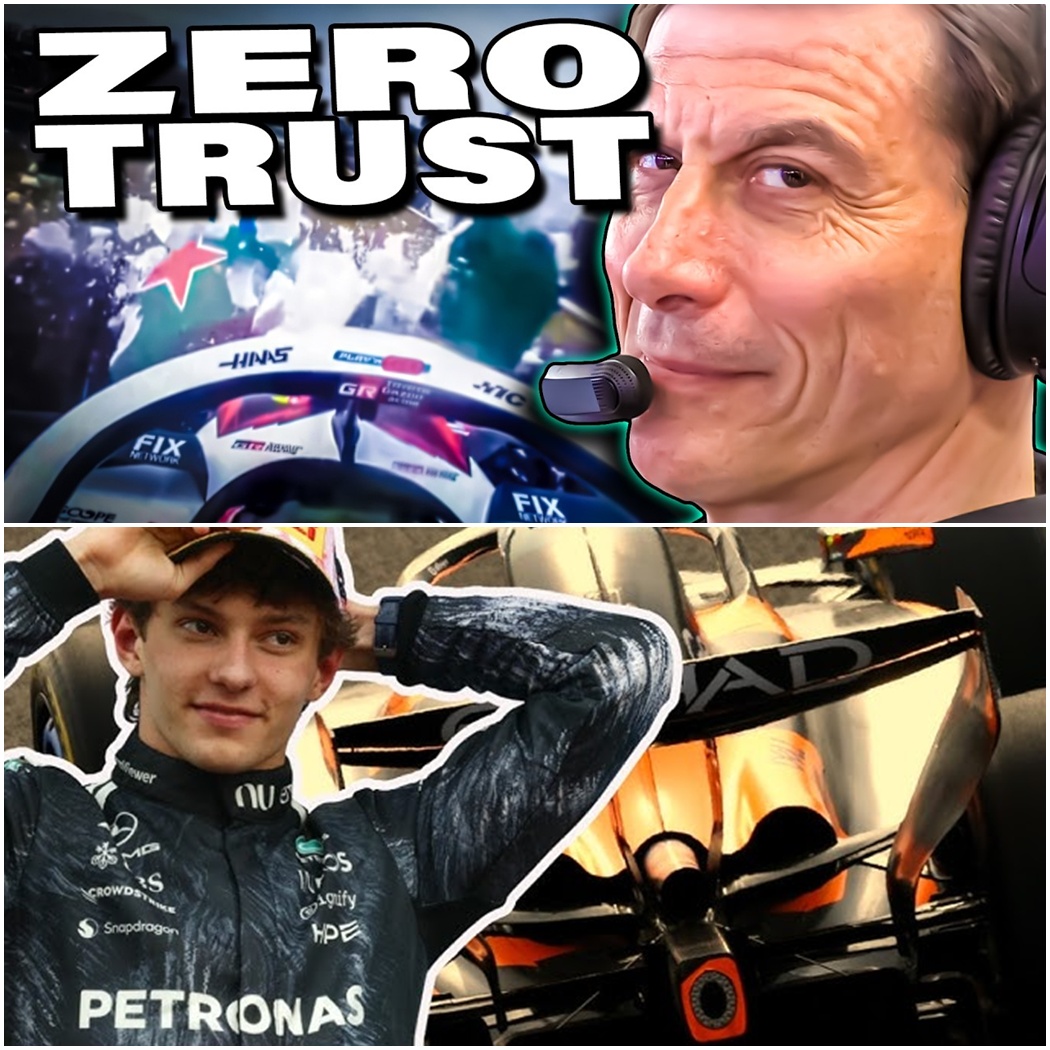
We urgently need to have a serious conversation about the current state of Formula One, because the individuals actually strapping themselves into the cockpits certainly are. If you want to properly understand the catastrophic mess the sport currently finds itself in, you must immediately stop treating Oliver Bearman’s terrifying 50G crash at Suzuka as an isolated incident. It was not a freak accident, and it was certainly not the beginning of this sordid story. Rather, it was the sickening, inevitable climax of a regulatory disaster that the drivers had been desperately warning the authorities about for months.
For a while, the corporate suits in charge of the sport could play the ‘subjective taste’ card. They could comfortably argue that the 2026 regulations were simply a new flavour of racing that traditional fans needed time to digest. They pointed to the undeniable excitement of Oscar Piastri’s brilliant manoeuvres and claimed that the sweeping changes were for the ultimate good of the spectacle. If the old guard of drivers did not like the heavy, complex machinery, the prevailing corporate attitude was that they should simply quietly adapt or retire.

Then, the unthinkable—yet entirely predicted—happened. Oliver Bearman suffered a colossal, violent impact. The sheer, frightening difference in closing speeds between the cars suddenly shifted the narrative from a stylistic debate into a glaring, undeniable safety crisis. The drivers’ absolute worst nightmare had materialised in real-world conditions. The rule set showed its most overt, dangerous signs of inherent instability, and suddenly, the glossy PR presentations from the FIA and Formula One Management (FOM) were no longer sufficient to paper over the massive, structural cracks.
To fully grasp the gravity of this situation, you must listen to the men holding the steering wheels. Carlos Sainz, acting as a prominent voice for the Grand Prix Drivers’ Association (GPDA), has been sounding the alarm for what feels like an eternity. He repeatedly cautioned that this incoming package of complex energy management rules was fundamentally begging for a massive crash. When Bearman’s car was destroyed against the Suzuka barriers, Sainz was incredibly consistent in his messaging. He firmly reminded the paddock that the drivers had already explicitly told the authorities this exact scenario would unfold. This, Sainz noted with bitter accuracy, is precisely what happens when the sport’s rule-makers solely listen to the teams and manufacturers while entirely ignoring the athletes.
Lewis Hamilton quickly echoed these profound concerns, pointing out a deeply uncomfortable truth: the drivers have absolutely zero political power. When the future of the sport is debated, the racers are effectively left waiting outside in the corridor like naughty schoolchildren, while the team principals and corporate executives carve up the regulations to suit their own vested interests. If teams like Mercedes and Ferrari have successfully built a competitive car within this deeply flawed rule set, they will use every ounce of their immense political heft to aggressively block any vital safety changes that might inadvertently weaken their competitive advantage.
This brings us to a highly controversial figure in this unfolding drama: Toto Wolff. The Mercedes team principal has been defending these regulations with a ferocity that borders on the suspicious. Wolff has been using past regulatory successes as a political shield, effectively stonewalling necessary changes and callously describing the current on-track product as “pure and exciting racing.” Considering the terrifying speed differentials explicitly caused by the new energy harvesting systems, Wolff’s corporate posturing feels incredibly tone-deaf.
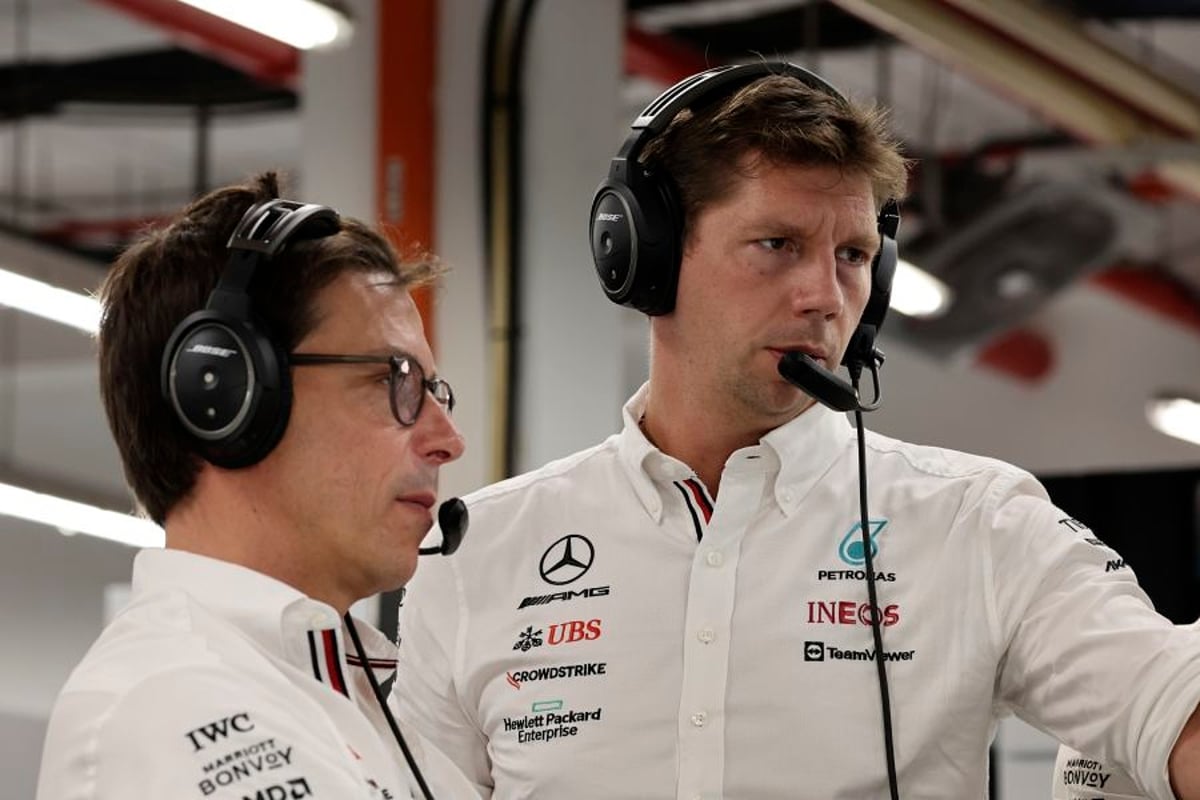
There is a growing, uncomfortable suspicion within the paddock that these 2026 regulations were never truly about pioneering green technology or road relevance. Instead, they appear to be the result of a ruthless, calculated power play. Rumours suggest that Mercedes and Wolff wielded their enormous influence to shape a rule set that suited their specific technical preferences, even famously agreeing to drop the complex MGU-H component primarily to welcome the Volkswagen Group into the sport. When the fundamental rules of racing are dictated by backroom boardroom deals rather than pure sporting integrity, the end result is the dangerous, manipulated product we are currently witnessing.
Perhaps the most damning indictment of these regulations came not from a disgruntled driver, but from Ayao Komatsu, the team principal of Haas. Unlike the fiery, excuse-laden days of the Guenther Steiner era, the current Haas outfit is flying high, sitting a highly impressive fourth in the Constructors’ Championship. They have absolutely zero incentive to rally against regulations that are clearly working in their competitive favour. Yet, Komatsu refused to blindly throw his driver under the bus. He explicitly blamed the crash on the regulations, noting that Bearman had misjudged the pass strictly due to the massive, unnatural differing speeds manifested by the new rule set’s power boost systems. When a team fundamentally benefiting from the rules explicitly calls out their inherent danger, the governing bodies must listen.
Yet, Formula One Management’s overwhelming instinct is to curate a false reality rather than own up to a catastrophic mistake. Under the leadership of Stefano Domenicali, the sport is desperately trying to protect its premium, inevitable image. We saw this blatant curation when Kimi Antonelli’s onboard footage was mysteriously hidden, laughably blamed on a “technical glitch,” only to miraculously appear hours later in a ghost car comparison video. The audience is not stupid. The fans can clearly see that the sport is dealing with a profound legitimacy problem, and the financial markets agree, with Formula One’s stock price taking a painful 17% plunge this year.

As we approach a highly critical crisis meeting scheduled for the 9th of April, the ultimate insult has been delivered: the drivers are reportedly not invited to the table. The very individuals whose lives are put at extreme risk by these chaotic, battery-starved, speed-differential rules are completely excluded from the formal voting process. They are, quite literally, being treated as highly paid crash test dummies for a massive political compromise.
Formula One trades heavily on its glamour, its cutting-edge innovation, and its illusion of absolute control. But right now, the sport feels manipulated, deeply divisive, and terrifyingly unsafe. If the FIA and FOM do not quickly swallow their corporate pride, ditch the aggressive commercial spin, and proactively fix these fatally flawed power unit regulations, the next high-speed consequence might not be one a driver simply walks away from. The time for boardroom politics is over; it is time to let the drivers speak, and more importantly, it is time to actually listen.








