Predator: The Billionaire Football Boss – The Controversy Surrounding David Sullivan’s Sudden Exit
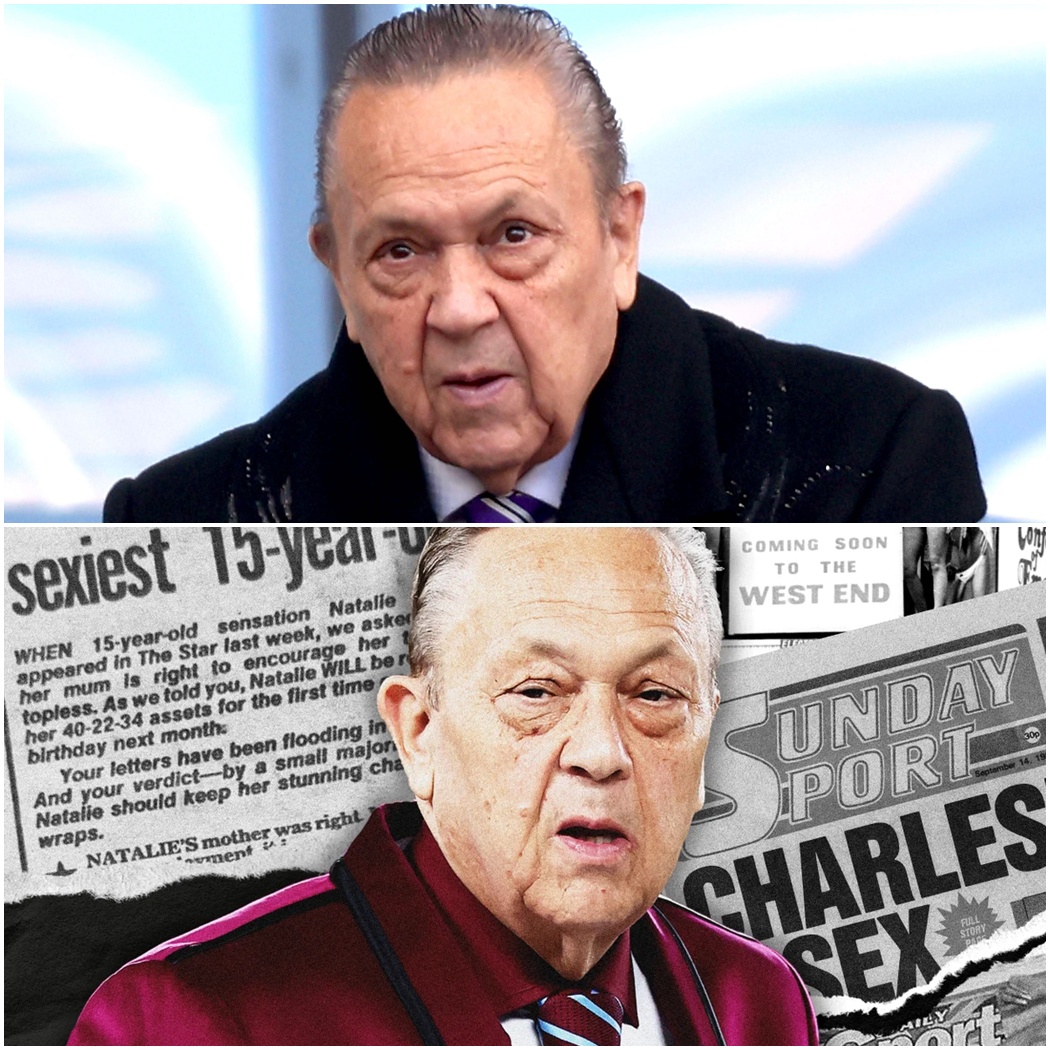
The world of professional football was left reeling earlier this week when the news broke that David Sullivan, the long-standing co-chairman of West Ham United, had officially stepped down from his position. The departure, which occurred on June 6, 2026, was not merely a transition of power within a Premier League club; it was the immediate culmination of mounting pressure, historic allegations, and a brewing media storm that has now placed one of the sport’s most prominent figures at the centre of a national controversy. As the dust settles on his resignation, the focus of the sporting world—and the wider public—has shifted sharply toward an upcoming investigation that threatens to redefine his legacy.
The BBC, through its flagship investigative programme Panorama, has confirmed it will broadcast an episode titled Predator: The Billionaire Football Boss. The programme, which is the result of a joint investigation conducted alongside The Times, promises a forensic look into the conduct of the man who has been a constant presence in the footballing landscape for decades. For years, Sullivan has been a polarising but undeniable force in the game, known for his aggressive business acumen, his media empire, and his stewardship of one of London’s most historic football clubs. However, the scope of this investigation appears to reach far beyond the confines of the football pitch, probing into the very foundation of how he built his fortune.
In his resignation statement, which was released with an air of sombre finality, Sullivan expressed that the decision to step down was made “with a heavy heart” and “after very careful consideration.” He framed his departure as a move intended to protect the club, suggesting that the “love, respect, and responsibility” he holds for West Ham United and its dedicated fan base necessitated a period of unity and focus that he could no longer provide while fighting these accusations. It is a classic narrative of a leader sacrificing his position for the greater good of the institution, yet the details surrounding his exit suggest a far more complicated reality.
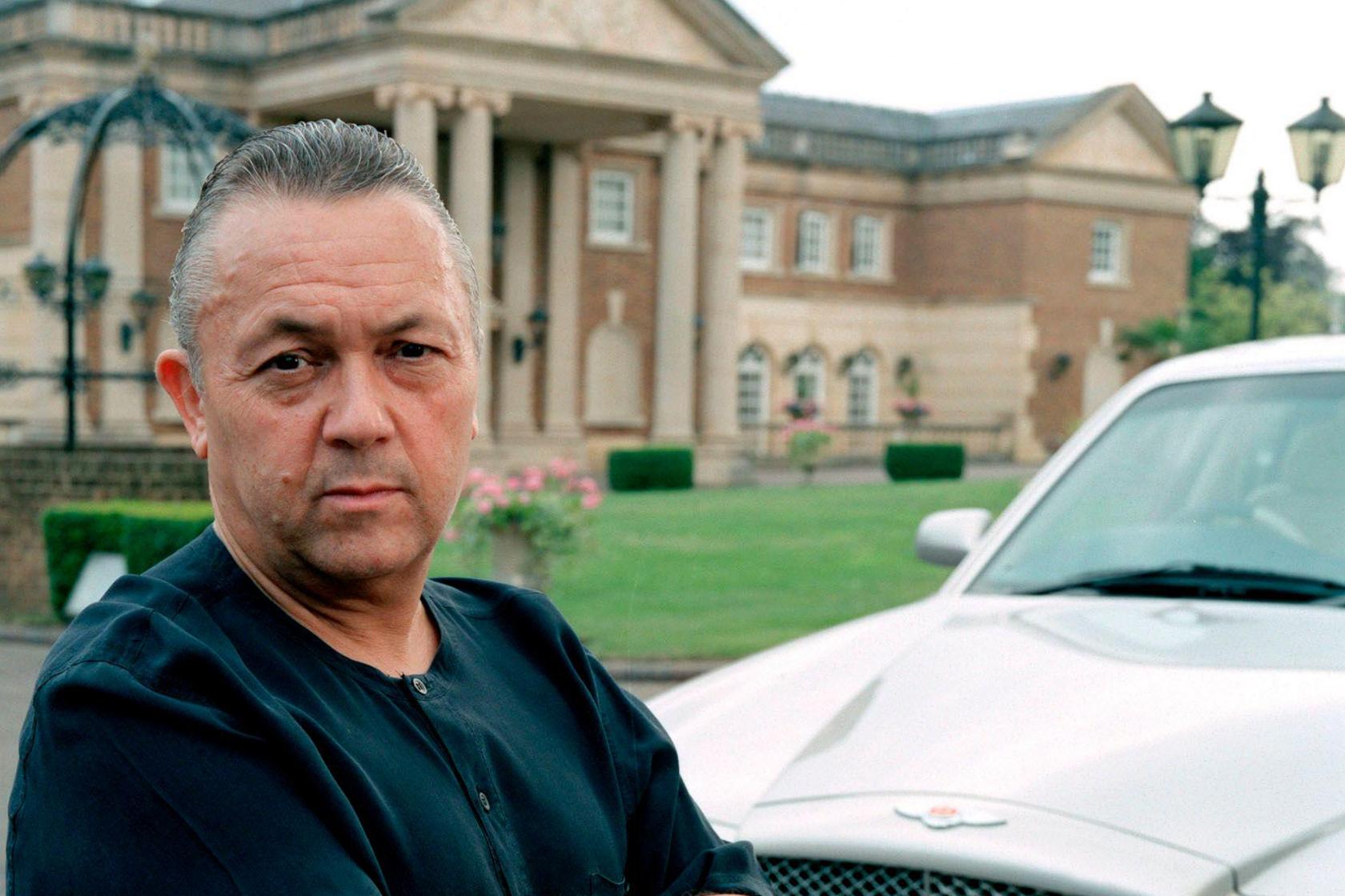
Sullivan has made it abundantly clear that he intends to mount a vigorous defence against the claims being levelled against him. In a defiant response to the looming broadcast, he has vowed to sue the BBC for libel, along with any other media outlet that repeats what he characterises as “false allegations.” He has vehemently denied any wrongdoing regarding his conduct, particularly in relation to the accusations currently being publicised. He stated, “After a lifetime spent building businesses in the adult industry in which I have met thousands of women, it is sadly inevitable that a small number of improper conduct claims are being made against me.”
This admission serves as a central pillar of the unfolding drama. Sullivan’s history in the adult entertainment industry—a sector from which he accumulated millions before transitioning his interests into the mainstream worlds of newspapers and, subsequently, professional sport—has long been a part of his public persona. To his supporters, he is a self-made billionaire who navigated complex markets; to his critics, his past is a repository of exploitation that can no longer be ignored. By explicitly referencing his history in the adult industry, Sullivan is attempting to pre-emptively frame the allegations as an inevitable consequence of his profession rather than a pattern of misconduct.
The Panorama programme is expected to be a watershed moment for the BBC’s investigative journalism. The description provided in the programme’s listing suggests that the investigation will not only focus on the specific allegations against Sullivan but will also examine the “behaviour” of a man who has, for decades, operated within the upper echelons of British business and sport. The language used in the programme’s title alone—Predator—is loaded with implications that the BBC is prepared to challenge the narrative of success that has followed Sullivan throughout his career.
For the West Ham United faithful, this period of uncertainty is particularly jarring. The club, which often navigates the turbulent waters of the Premier League, now finds itself in the eye of a reputational storm. Sullivan’s exit, while framed as a necessary step for the stability of the club, creates a power vacuum and a sense of unease. The question remains: how will this investigation impact the club’s future, its commercial partnerships, and its standing within the league? The footballing world is watching closely, not just for the details of the scandal, but to see how the institution of West Ham United manages to decouple its identity from the controversy surrounding its former co-chairman.
The legal dimension of this saga is likely to be protracted and fierce. Sullivan’s announcement that he will sue the BBC suggests that he is prepared to fight a war on multiple fronts. Libel law is a complex instrument in the UK, and high-profile figures often use the threat of litigation to control the narrative. By signalling his intent to engage in legal action, Sullivan is sending a clear message to the media: he believes the process has been “fundamentally unfair and completely lacking in any due impartiality.” He argues that the allegations have been “sensationalised” by the press, a common refrain from those under the glare of public investigation.
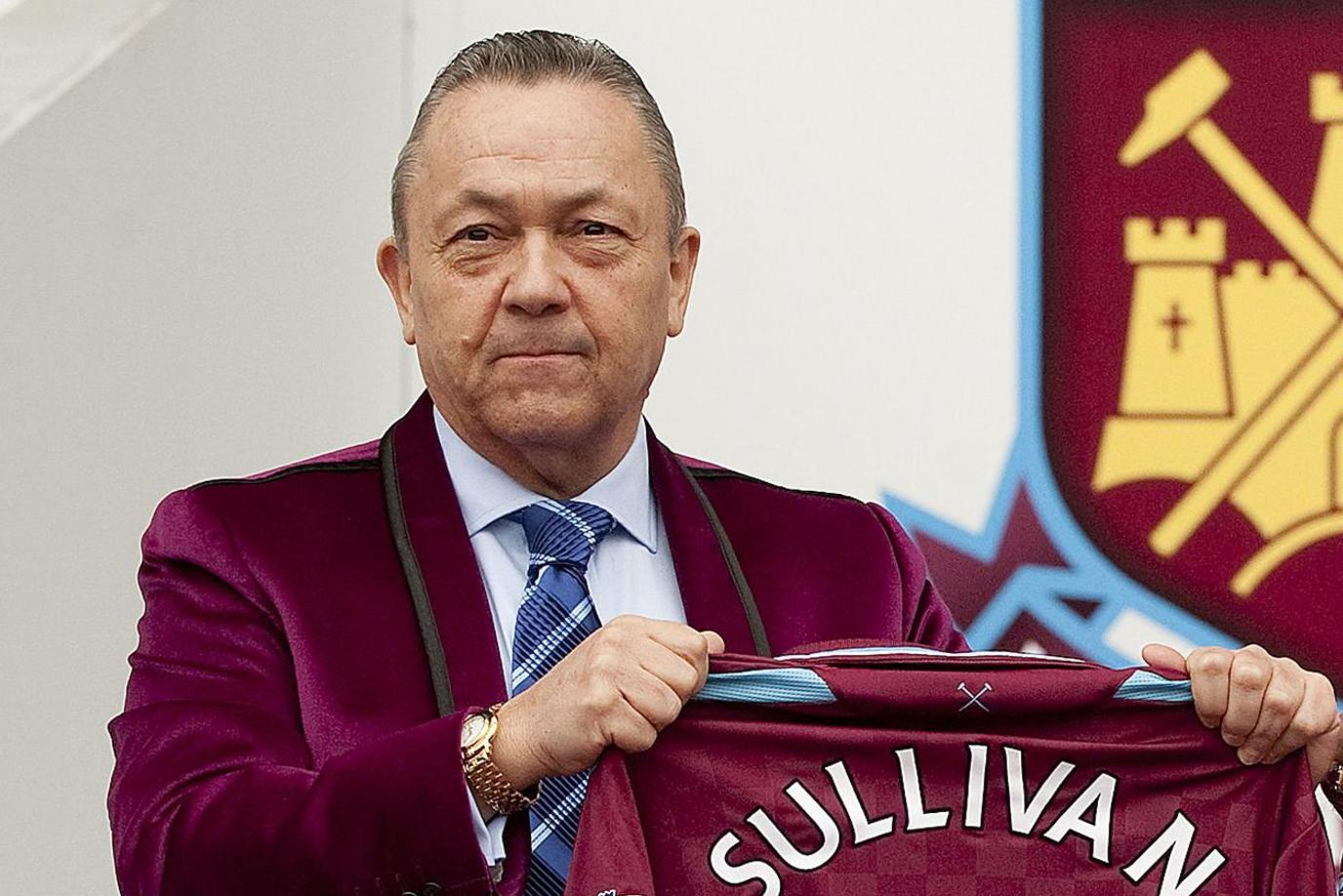
The intersection of sport, wealth, and moral accountability has always been a volatile one. In the modern era, where the conduct of those in leadership positions is subject to unprecedented levels of scrutiny, individuals like David Sullivan are finding it increasingly difficult to keep their private and public lives separate. The Panorama investigation serves as a case study in the modern age of accountability, where historical actions are routinely brought to light, and the court of public opinion moves significantly faster than the traditional legal system.
As the air date for the documentary approaches, the tension is palpable. The BBC finds itself in a position of significant responsibility, balancing the public interest of the investigation with the potential for massive legal fallout. For viewers, the programme offers the opportunity to judge the evidence for themselves. For David Sullivan, it represents the most significant challenge to his reputation and his legacy that he has faced in his long and controversial career.
The narrative of “The Billionaire Football Boss” is one that has long fascinated the public—the rags-to-riches story, the acquisition of power, and the eventual clashes with authority. But this particular story, punctuated by allegations of misconduct and a dramatic resignation, serves as a sobering reminder of the fragility of success. As we await the findings of the investigation, the broader question remains: what does it mean to be a leader in an era where past actions are never truly buried? The answer may very well be revealed in the unfolding weeks, as the legal, journalistic, and public battles collide, leaving the world to reckon with the truth behind the headlines.
The implications for the wider sports industry are also profound. If this investigation successfully challenges the conduct of a high-ranking official, it could set a precedent for how other clubs and governing bodies handle similar issues. We are witnessing a shift where institutional silence is no longer an option, and where the actions of a billionaire owner are viewed through a lens of moral integrity rather than just financial success.
As the countdown to the broadcast continues, the narrative is fluid. New information, fresh denials, and ongoing speculation will continue to shape the story. What is certain is that the Panorama exposé on David Sullivan is not just a television programme; it is a catalyst for a much-needed conversation about the ethics of ownership and the responsibilities that come with holding a position of power. Whether the allegations prove to be the ruin of his legacy or a hurdle he successfully overcomes in the courts, the case of David Sullivan will be remembered as a pivotal moment in the intersection of football, business, and public accountability.
Ultimately, the goal of such journalism is to provide transparency, and it is this transparency that is the hallmark of a healthy, functioning society. The upcoming investigation, regardless of its outcome, highlights the importance of keeping those in positions of power accountable to the public. As the media continues to shine a light on these complex and often uncomfortable realities, the public is tasked with discerning the truth from the noise. The story of David Sullivan is far from over; in many ways, it is only just beginning.








