From Crisis to Comeback: Inside Aston Martin’s Radical Rescue Plan to Save Their Disastrous 2026 F1 Season
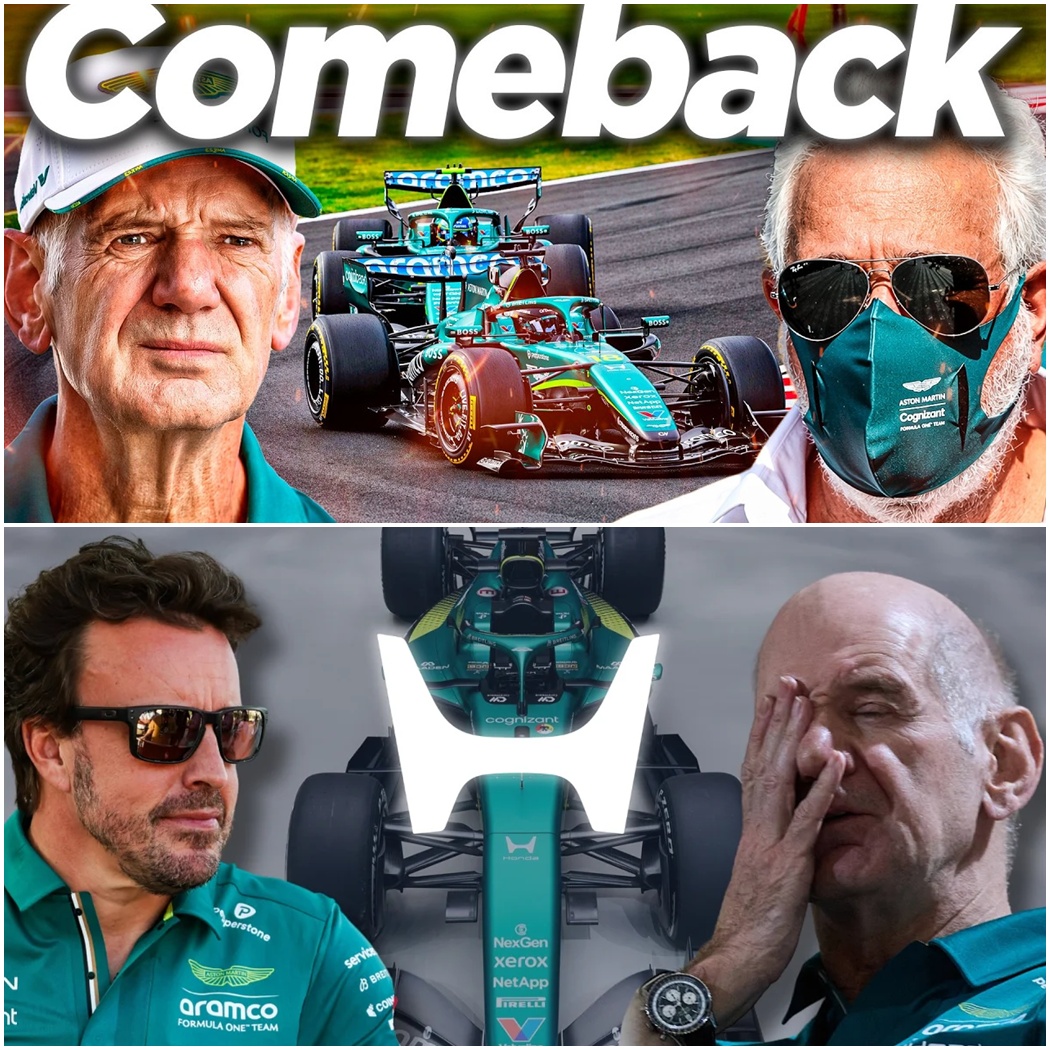
The 2026 Formula 1 season was meant to be the dawn of a golden era for Aston Martin. On paper, they possessed all the ultimate ingredients for an unstoppable championship campaign: a brand-new, state-of-the-art factory in Silverstone, the legendary aerodynamic genius Adrian Newey on the payroll, an exclusive works engine partnership with Honda, and the relentless, two-time world champion Fernando Alonso behind the wheel. It was a billion-dollar dream designed to crush the competition. Yet, as the paddock sets up for the next round of racing, that dream has dissolved into an absolute nightmare.
Right now, Aston Martin is facing an unprecedented and massive crisis. They are languishing at the very bottom of the constructor standings—shockingly sitting behind even the newly introduced Cadillac team. For a project with such monumental backing, the sheer lack of pace is a devastating blow. The team’s 2026 challenger is drastically overweight, critically devoid of aerodynamic downforce, and plagued by severe mechanical issues that are quite literally tearing the car apart from the inside. But if there is one thing you can never count out in Formula 1, it is the fierce resilience of a team backed into a corner. Aston Martin is not waving the white flag; instead, they have launched a radical, around-the-clock rescue operation to salvage their season.
At the dark heart of Aston Martin’s struggles is a fundamental disconnect between the chassis and the newly supplied Honda power unit. The situation reached a terrifying peak at the Japanese Grand Prix. The engine vibrations were so undeniably severe that the car’s reliability was practically non-existent. In a shocking display of how bad things had gotten, Fernando Alonso actually had to physically take his hand off the steering wheel while driving at breakneck speeds just to cope with the violent shaking.
Thankfully, the first phase of Aston Martin’s desperate recovery plan is set to roll out immediately at the Miami Grand Prix. Honda’s engineering department has been working frantically to resolve these crippling vibrations, and they have officially approved a completely new engine specification for the Miami race. This upgraded power unit is specifically designed to smooth out the violent harmonics, hopefully allowing the team to finally push the car to its true limit without fear of catastrophic failure.
However, anyone inside the Silverstone factory will openly admit that a new engine alone is merely a band-aid on a gaping wound. The painful reality is that the Aston Martin chassis itself is fundamentally flawed. Currently, the car is carrying at least 10 kilograms of excess weight. In the razor-thin margins of Formula 1, 10 kilos is a massive penalty that hemorrhages crucial lap time on every single straight. Even worse is the car’s cornering performance. It severely lacks downforce in both medium and high-speed corners. Data from the race in Japan painted a grim picture: the Aston Martin was a staggering 20 km/h slower through the corners compared to the leading cars. When you are losing that much momentum in the apex, no engine in the world can save your lap time.
Because of these deep-rooted aerodynamic flaws, the team has taken the drastic step of developing a completely new B-spec version of the car. This is not a minor upgrade package; it is a monumental undertaking. The engineering team is essentially ripping up their initial blueprints and redesigning the entire aerodynamic concept from scratch. Originally, the ambitious hope was to unveil this B-spec savior at their home race, the British Grand Prix at Silverstone in July. But the problems are so complex and deeply embedded that the timeline has inevitably slipped. According to veteran Sky Sports commentator David Croft, the B-spec machine is now more likely to make its debut at the Belgian Grand Prix at Spa-Francorchamps, just before the sport’s mandated summer break.
Even with this new car on the horizon, Aston Martin insiders are urgently trying to manage public and internal expectations. Croft revealed that the team is not overly optimistic that the B-spec car will act as an instant magic bullet. The integration between the new Honda engine and the Aston Martin chassis remains incredibly intricate. Honda President Koji Watanabe frankly admitted in Japan that the current problems simply cannot be fixed by the engine department acting alone. It demands a holistic rethink of how the power unit and the chassis seamlessly interact—something the two partners have heavily struggled with so far.
This friction has tested the relationship between Aston Martin and Honda in unexpected ways. When this works partnership was first announced, it was full of smiles and shared ambitions of world dominance. Today, behind closed doors, it has turned into a tense blame game. Honda engineers argue that the flawed chassis design is exacerbating the engine vibrations, while Aston Martin points the finger right back, claiming the engine’s foundational architecture is the root cause. If they want to drag themselves off the bottom of the grid, the finger-pointing must stop immediately.
To manage this chaotic rebuilding process, Aston Martin is looking to fundamentally restructure its leadership team. Legendary designer Adrian Newey recently stepped down from his temporary role as team principal. Newey realized that his unparalleled brain power is needed strictly on the technical side to fix the flawed car, leaving a gaping leadership void at the top of the pit wall. The loudest whisper echoing through the F1 paddock right now is that Jonathan Wheatley is the primary target to take the reins. Wheatley recently departed his team principal role at Audi after less than a year, but his pedigree is undeniable. Widely respected as one of the greatest sporting directors in the sport’s history, Wheatley spent years masterminding Red Bull Racing’s operational dominance. Aston Martin desperately needs a commander with his exact profile to unify the warring factions, organize the factory, and get everybody pulling the same rope. The only hurdle? Wheatley is currently on “gardening leave,” and Audi could legally force him to sit on the sidelines for a full year. Aston Martin is reportedly in deep negotiations to secure an early release, though nothing is set in stone just yet.
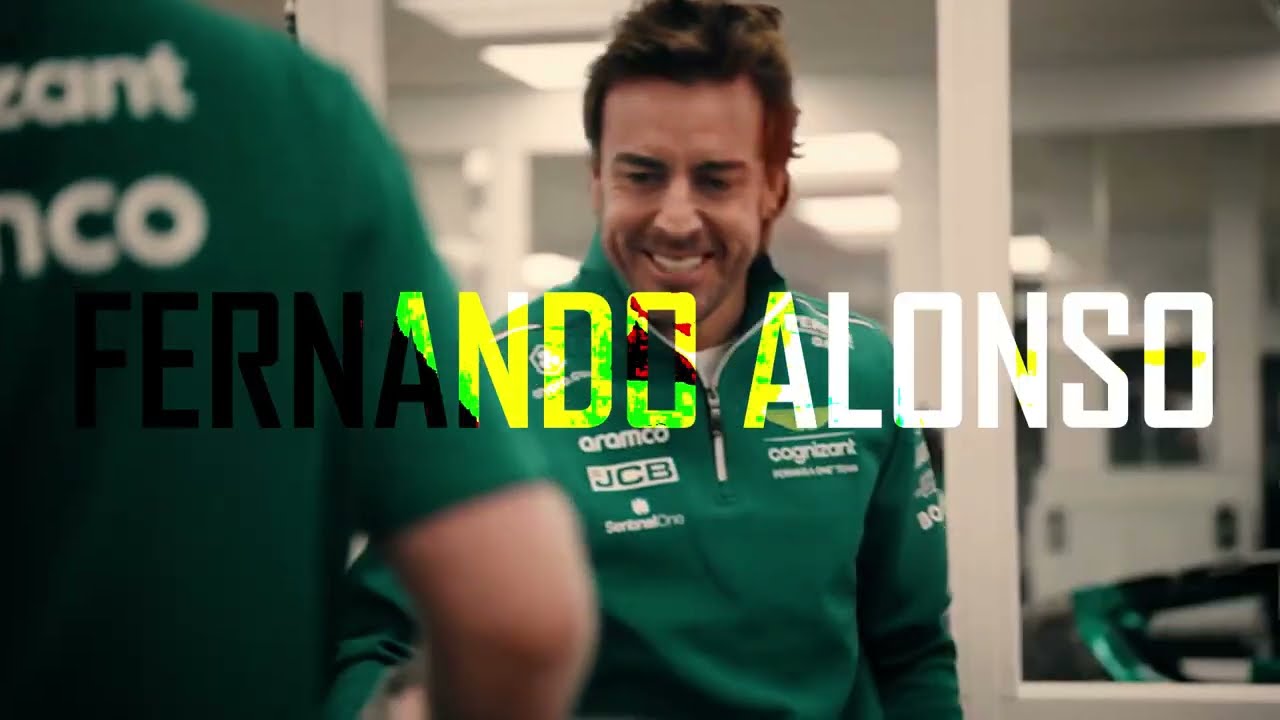
So, where does this catastrophic start leave the emotional center of the team, Fernando Alonso? The two-time world champion is now 44 years old, and his current contract expires at the end of this disastrous 2026 season. When Alonso signed his last extension, he made a point to say his future relied heavily on the competitiveness of the 2026 regulations. Many assumed that if the car was a dud, Alonso would simply pack his bags, enjoy his millions, and ride off into the sunset. But Fernando Alonso is built differently.
Instead of walking away in frustrated defeat, Alonso is reportedly more fired up than ever. Sources indicate that he is highly likely to sign a new contract extension that will keep him in the sport through at least 2027. Why? Because Alonso refuses to end his legendary career at the back of the grid. He wants to be the catalyst for the solution. He wants to actively develop the B-spec car, tame the unruly Honda engine, and eventually leave Formula 1 with his head held high. A fierce and unrelenting competitor, he understands that turning this sinking ship around might be the most difficult challenge of his entire life.
Alonso recently warned his garage to brace for at least ten more agonizingly difficult races before they see any tangible light at the end of the tunnel. Yet, he is holding onto hope, pointing directly at McLaren’s miraculous mid-season turnaround in 2023 as ultimate proof that an F1 team can go from the back row to the podium in a matter of months.
Make no mistake: the pressure building inside the Silverstone factory is absolutely immense. Mechanics are exhausted trying to keep the current, vibrating car in one piece, while engineers are losing sleep trying to find the missing three to four seconds of lap time needed just to catch the frontrunners. If the upcoming Miami engine fails, or if the Spa B-spec car is another aerodynamic dud, Aston Martin will be condemned to the back of the grid for a very long time. But with Fernando Alonso’s stubborn determination steering the ship, a potential leadership masterstroke with Jonathan Wheatley, and the pride of Honda on the line, this team might just pull off the most sensational survival story of the 2026 Formula 1 season.








