Hamza Yassin on the Disability He ‘Loves’: “It’s a Different Way of Looking at the World”
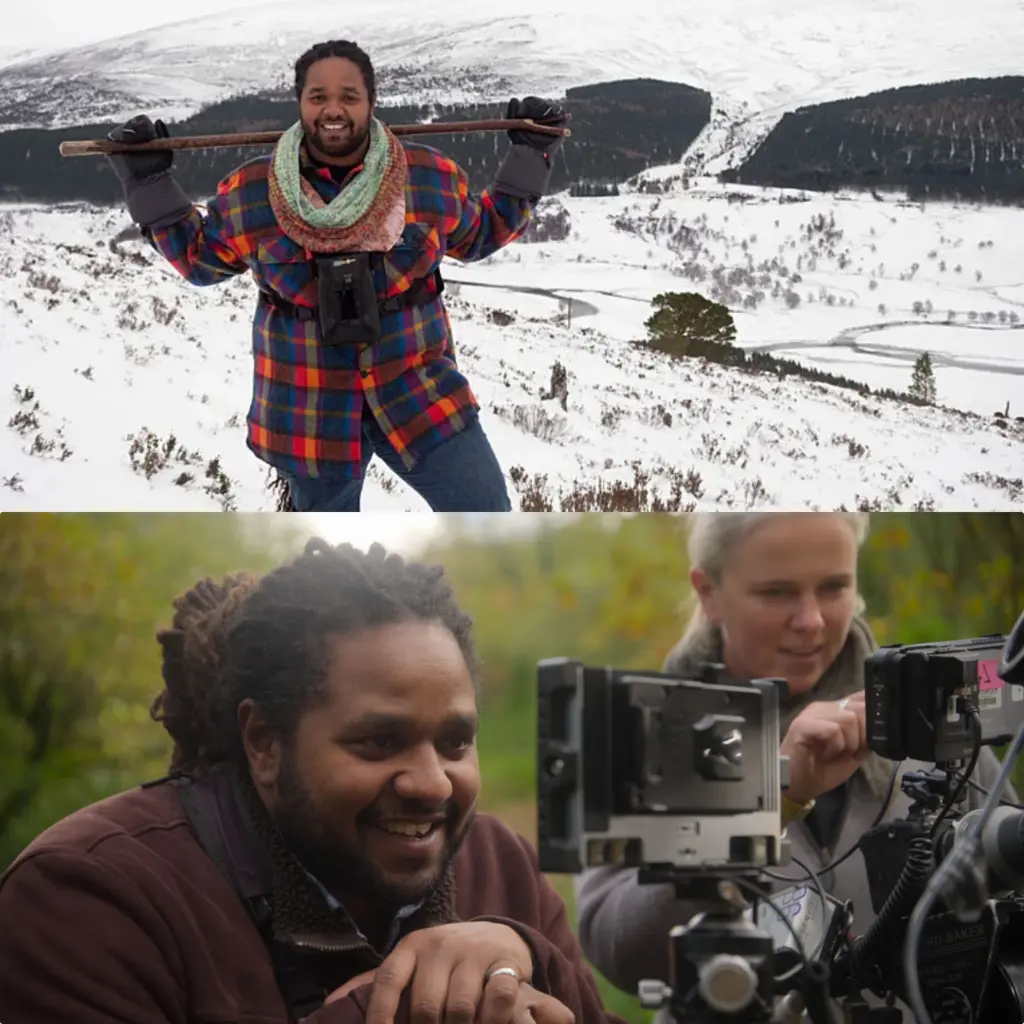
For Hamza Yassin, the word disability has never meant limitation. In fact, it represents something he openly celebrates — a way of seeing the world that he believes has shaped his success, his creativity, and his deep connection to nature.
The 35-year-old wildlife cameraman, presenter and Strictly Come Dancing 2022 winner has spoken candidly about living with dyslexia, describing it not as a barrier, but as a strength he has learned to embrace. As his BBC series Hamza’s Highlands airs this weekend, his reflections feel especially timely — offering a powerful reminder that difference can be a gift.

“I Love Being Dyslexic”
Speaking during a conversation with the Natural History Museum last year, Hamza was asked how dyslexia has influenced his filmmaking and approach to the natural world. His response was strikingly positive.
“I’m a very visual person — that’s how I work and see the world,” he explained. “I love being dyslexic, because I think it gives me an almost photographic memory when it comes to remembering what I’ve seen.”
For someone whose career depends on observation — light shifting across landscapes, animals moving in fleeting patterns, moments that can never be repeated — that visual way of thinking has become invaluable.
Hamza says he thrives on recognising patterns, storing images, and recalling tiny details most people might miss. In his eyes, dyslexia sharpened those instincts rather than dulling them.
A “Superpower,” Not a Hindrance
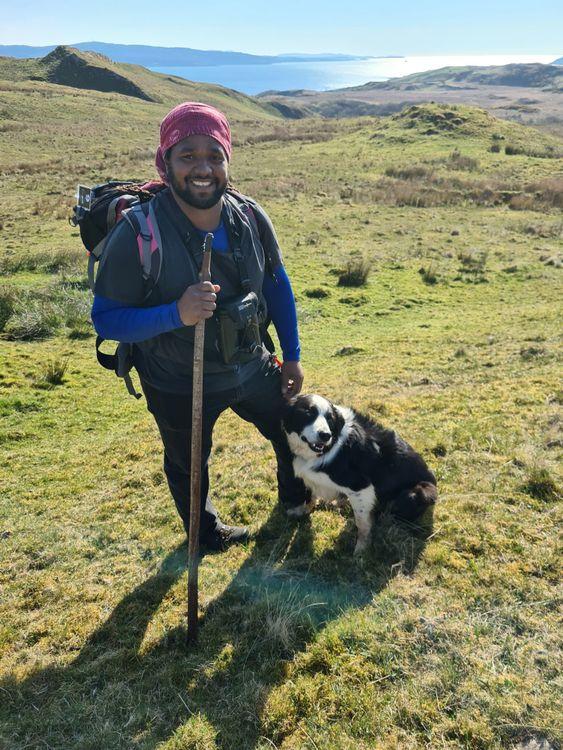
Rather than viewing dyslexia as something to overcome, Hamza sees it as something to harness.
“It’s not really a hindrance,” he has said. “It’s a different way of looking at the world. Thinking outside the box.”
That mindset has shaped his mission beyond television. Hamza is passionate about sharing this message with children, particularly those who struggle at school or feel defined by labels that focus on what they can’t do.
“I really want kids to celebrate it,” he has explained. “Dyslexia is a superpower. Once you figure out how to work with it — once you find what you love — you can achieve anything.”
He often points out that many extraordinary figures are believed to have been dyslexic, including Muhammad Ali, Virgin Group founder Richard Branson, and even Isaac Newton — proof, he says, that different minds change the world.
School Wasn’t Easy
That confidence didn’t come overnight. Hamza has been honest about how difficult his early years were.
At school, he struggled. Reading and writing didn’t come easily, and he often felt overwhelmed. He recalls breaking down in tears when a teacher first told him he was dyslexic — a moment filled with fear, confusion, and relief all at once.
But that same teacher helped him understand what the diagnosis truly meant. It wasn’t a judgement. It was an explanation.
Gradually, Hamza learned to recognise his strengths: visual memory, pattern recognition, sensitivity to nuance. Skills that don’t always fit neatly into classroom systems — but thrive in creative and observational work.
“I remember nuances,” he has said. “I can see patterns. Dyslexia opened the world up to me.”
From Struggle to Success

Those abilities would later define his career. As a wildlife cameraman and presenter, Hamza’s work relies on patience, intuition, and the ability to notice what others overlook. His dyslexia, once a source of anxiety, became central to his craft.
Audiences fell in love with his warmth and authenticity during Strictly Come Dancing, where he charmed viewers with his humility and quiet confidence. Since then, his BBC work has only deepened that connection — showing landscapes and wildlife through a lens shaped by wonder rather than spectacle.
Hamza now proudly serves as an ambassador for Dyslexia Scotland, using his platform to challenge outdated ideas about intelligence and ability. Earlier this year, during an appearance on The One Show, he jokingly referred to himself as the “King of the dyslexics” — reclaiming the label with humour and pride.
Redefining What Ability Looks Like

At the heart of Hamza Yassin’s message is something simple but powerful: success doesn’t come from fitting one mould.
Dyslexia didn’t disappear as his career took off. Instead, it became something he understood, respected, and worked with. And in doing so, it gave him a voice — not just as a presenter, but as a role model for anyone who has ever felt “different” in a system that rewards conformity.
As Hamza’s Highlands brings viewers closer to the natural world, his own story offers another kind of perspective — one that reminds us that the way we see the world matters.
And sometimes, seeing differently is exactly the point.