The 2026 Development War Begins: Every Major F1 Team Upgrade Arriving at the Australian Grand Prix
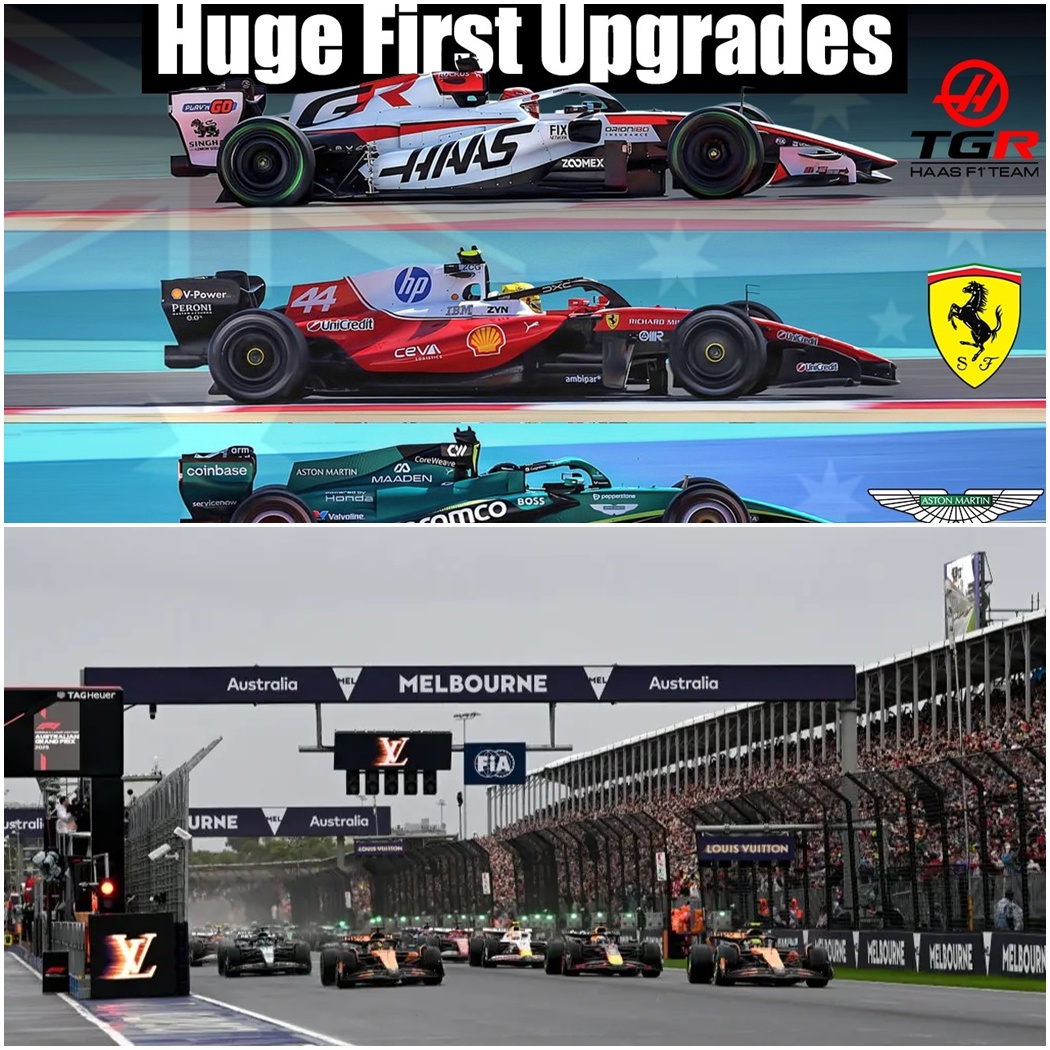
The dawn of the 2026 Formula 1 season is finally upon us, and the level of anticipation has reached an absolute fever pitch. As the global motorsport circus descends upon the sun-baked tarmac of Albert Park in Melbourne, Australia, the entire paddock is bracing for an unprecedented technological arms race. Because of an incredibly strange and fragmented off-season, many of the teams utilized vastly different testing specifications across the vital winter sessions in Spain and Bahrain. Consequently, the Australian Grand Prix will not just be the first race of the year; it will serve as the grand unveiling of the official “race day one” packages for a multitude of teams.
This particular season is shaping up to be one of the most unpredictable and fiercely contested championships in the modern era of the sport. The aggressive development war taking place behind the closed doors of the factories is going to be nothing short of insane. In a regulatory era where both the complex engine department and the intricate chassis aerodynamics play an equally vital role, the sheer speed at which a team can innovate could easily make or break their world championship aspirations. From terrifying structural failures to ingenious aerodynamic loopholes, the grid is poised to deliver a spectacle unlike anything we have seen before. Let us dive deep into the comprehensive upgrade strategies of every single team as they prepare to do battle in Australia.
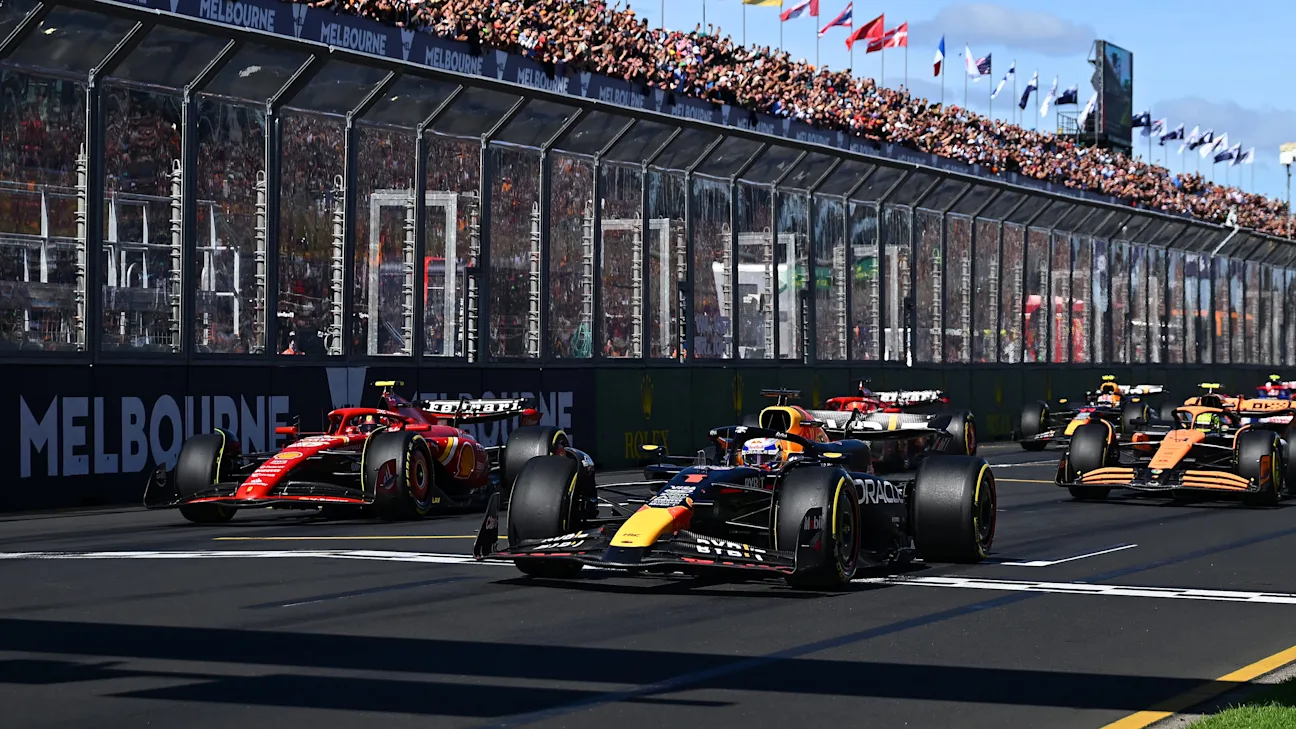
We must begin by examining the more cautious contenders—the teams that are choosing to bring either minor refinements or completely freezing their development for the opening round. Racing Bulls, for instance, has been noticeably silent on the upgrade front. They have kept their cards incredibly close to their chest, making almost no visible alterations to their machine since their initial reveal back in the middle of January. While it is highly improbable that they will field the exact same specification from the Barcelona tests, the paddock expects their changes to be subtle refinements rather than a massive aerodynamic overhaul.
Similarly, the highly anticipated new entrants, Cadillac, are adopting a highly conservative philosophy. The initial iteration of their car is remarkably basic from the front wing all the way to the rear diffuser. Rather than chasing raw, unadulterated lap time out of the gate, the American outfit is essentially treating the Australian Grand Prix as an extended, high-stakes test session. Their primary objective is simple: survive the weekend without any catastrophic reliability problems. Once they prove the fundamental structural integrity of their package, they plan to rapidly introduce performance upgrades. While it would be a phenomenal Cinderella story to see Cadillac score points on their debut, expectations must remain grounded as they find their footing in the ruthless midfield.
Meanwhile, Audi presents a fascinating conundrum. After entirely changing their aerodynamic philosophy between the first and second pre-season tests—most notably shifting to a striking vertical sidepod design and aggressively raising the underfloor to generate more ground-effect downforce—they have shown unexpected promise. They are taking a significantly different interpretive route compared to the rest of the grid regarding the crucial floor regulations. While they are not expected to bring massive new parts to Melbourne, their underlying baseline is much stronger than initially feared. They might not be fighting for podiums just yet, but completely counting them out of a fierce midfield scrap would be a grave mistake.
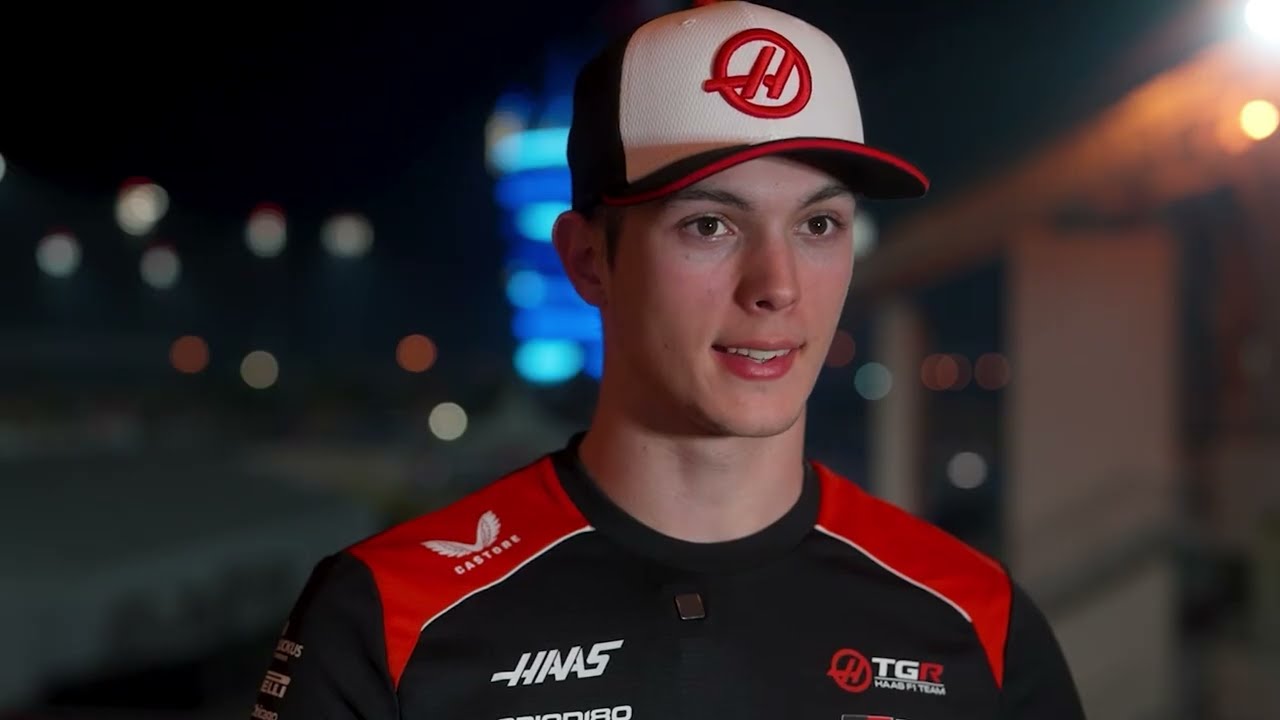
Speaking of the midfield, the battle for the “best of the rest” is going to be incredibly tight. Haas has been the subject of massive speculation. Following a highly promising test session, young talent Ollie Bearman playfully teased the arrival of a massive upgrade package. While that specific major overhaul never materialized during the Bahrain tests, industry insiders firmly believe that Haas is saving their ultimate race day specification for the streets of Melbourne. If this rumored package delivers the expected aerodynamic gains, Haas could easily catapult themselves into the upper echelons of the midfield, firmly locking horns with the likes of Alpine.
Alpine, on the other hand, is approaching the season opener with quiet confidence. They are slated to receive a highly anticipated performance boost from their Mercedes power unit. While whispers of minor reliability concerns have circulated the paddock, their chassis and aerodynamic package is widely regarded as one of the most refined and intricately developed on the grid. We can expect to see an immediate, tangible boost in their top-line speed, setting the stage for an explosive, season-long rivalry with Haas.
However, not every team is focused entirely on adding new aerodynamic components; some are desperately trying to subtract. Weight management has suddenly become a critical, terrifying issue for several iconic teams. Williams is reportedly struggling with a car that is drastically overweight—some estimates suggest they are lugging around an agonizing twenty kilograms of excess mass. This severe weight penalty makes the car notoriously sluggish and unresponsive through slow-speed corners. Because Albert Park features several tricky, technical sectors, Williams is dedicating their early-season development entirely to shedding kilos. They simply cannot focus on advanced aerodynamics until they cure their fundamental weight crisis, effectively ruling them out of any serious points contention for the opening rounds.
McLaren finds themselves in a somewhat similar boat, albeit further up the grid. Team principal Andrea Stella has openly confirmed that their MCL40 will look largely identical to its testing specification. Their primary development focus is also centered heavily on aggressive weight reduction. Because minimizing mass delivers more guaranteed, instantaneous lap time than almost any complex aerodynamic winglet, McLaren is playing the long game. Despite utilizing a slightly older engine specification during testing, they still looked incredibly formidable. With a fresh Mercedes power unit upgrade slotted in for Australia, McLaren remains a genuine threat at the sharp end of the grid.
At the very front of the pack, the usual suspects are preparing to unleash their final forms. Red Bull’s RB22 is not expected to receive a massive, unrecognizable makeover, but rather a series of highly targeted, lethal revisions. Following a significant update in Bahrain that introduced an aggressive sidepod undercut and a highly complex floor, rumors suggest they are bringing an entirely new, heavily developed front wing to Melbourne. Furthermore, keep a very close eye on their intricate cooling solutions. The cooling gills on the engine cover and sidepods will be constantly tweaked as Red Bull tries to master the thermal demands of the complex new 2026 hybrid engines.
Mercedes, however, is currently the terrifying elephant in the room. They are widely tipped as the absolute undisputed favorites heading into the season. During testing, they ran heavily detuned engines and masked their true potential, yet their long-run race simulations were still devastatingly fast. The German manufacturer has been relentlessly experimenting with wildly different cooling packages and sidepod configurations. Depending on the ambient temperatures in Australia, Mercedes will unlock the true, terrifying potential of their newly homologated fuel and power unit. Coupled with a highly innovative rear wing and a continuously revised floor, the Silver Arrows are primed to completely dominate if their reliability holds strong.
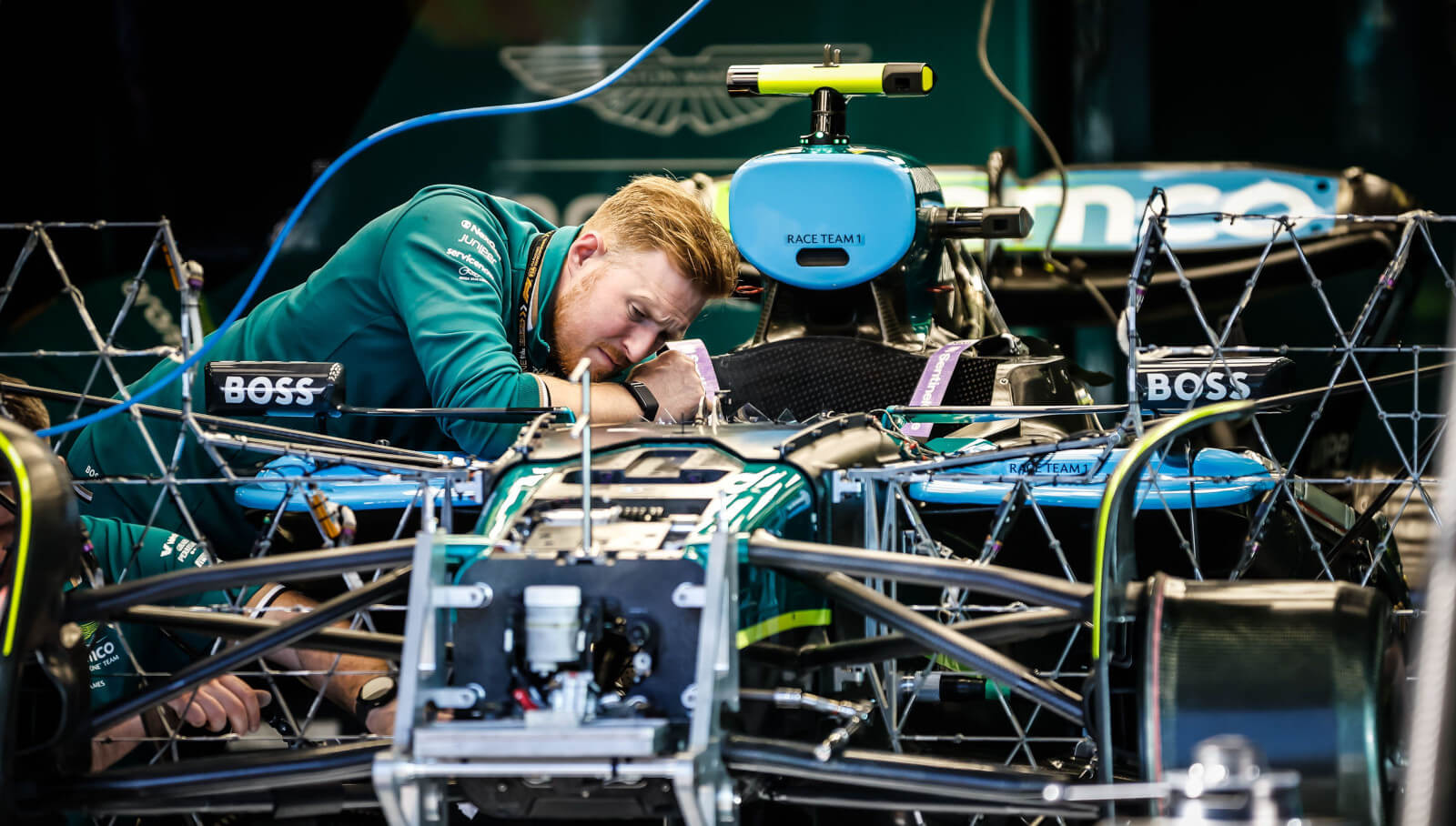
Yet, the biggest and most explosive storyline of the 2026 season revolves around the absolute nightmare currently unfolding at Aston Martin. The legendary team in green is facing a catastrophic engineering crisis with their highly anticipated Honda power unit. Startling reports, corroborated by Honda’s Koji Watanabe, reveal that the engine is suffering from violent, uncontrollable internal vibrations. These massive tremors are literally shaking the battery pack to pieces, causing catastrophic internal damage and total engine shutdowns.
The situation is so dire that it has been classified as a fundamental structural problem, where the engine, chassis, and battery casing are interacting in a deeply negative, destructive manner. Legendary aerodynamicist Adrian Newey reportedly pushed for a highly complex, two-segment battery layout late in the development cycle, which may have contributed to these fatal harmonic issues. Former Mercedes engine guru Andy Cowell has been drafted in, sitting with a team of top engineers to desperately diagnose the fatal flaws. While Aston Martin is frantically bringing temporary, band-aid fixes to Australia—resulting in a car that will look visibly different from testing—a permanent, structural resolution is not expected until the Japanese Grand Prix. This disastrous miscalculation threatens to temporarily plunge the ambitious team to the very back of the grid.
Finally, we turn our attention to the Prancing Horse. Ferrari is bringing a massive, highly anticipated race day package to Melbourne, and the sheer level of innovation pouring out of Maranello is staggering. Under the expert guidance of their new technical director, Loic Serra, Ferrari has developed an aerodynamic masterpiece. While their front wing and sidepods are expected to receive aggressive redesigns, it is the rear of the car that has the entire pit lane talking.
Ferrari has introduced an ingenious, incredibly complex exhaust wing and diffuser trick that is completely unique to their chassis. Whispers in the paddock suggest this hidden aerodynamic loophole is generating massive amounts of clean downforce, potentially worth up to half a second a lap in raw pace. Combined with a radical 180-degree rear wing concept, Ferrari has built a machine that is virtually impossible for their rivals to copy in the short term. If these bold, innovative solutions work as perfectly on the track as they do in the wind tunnel, Ferrari might just possess the ultimate secret weapon to completely obliterate the competition in Melbourne.
As the lights prepare to go out at Albert Park, the 2026 Formula 1 season promises to be a spectacular war of attrition, intellect, and sheer engineering bravery. The development race has officially begun, and there is absolutely no turning back.








